South Africa has officially exited the Financial Action Task Force (FATF) grey list, marking a significant milestone in the country’s efforts to strengthen its financial integrity, combat corruption, and restore investor confidence.
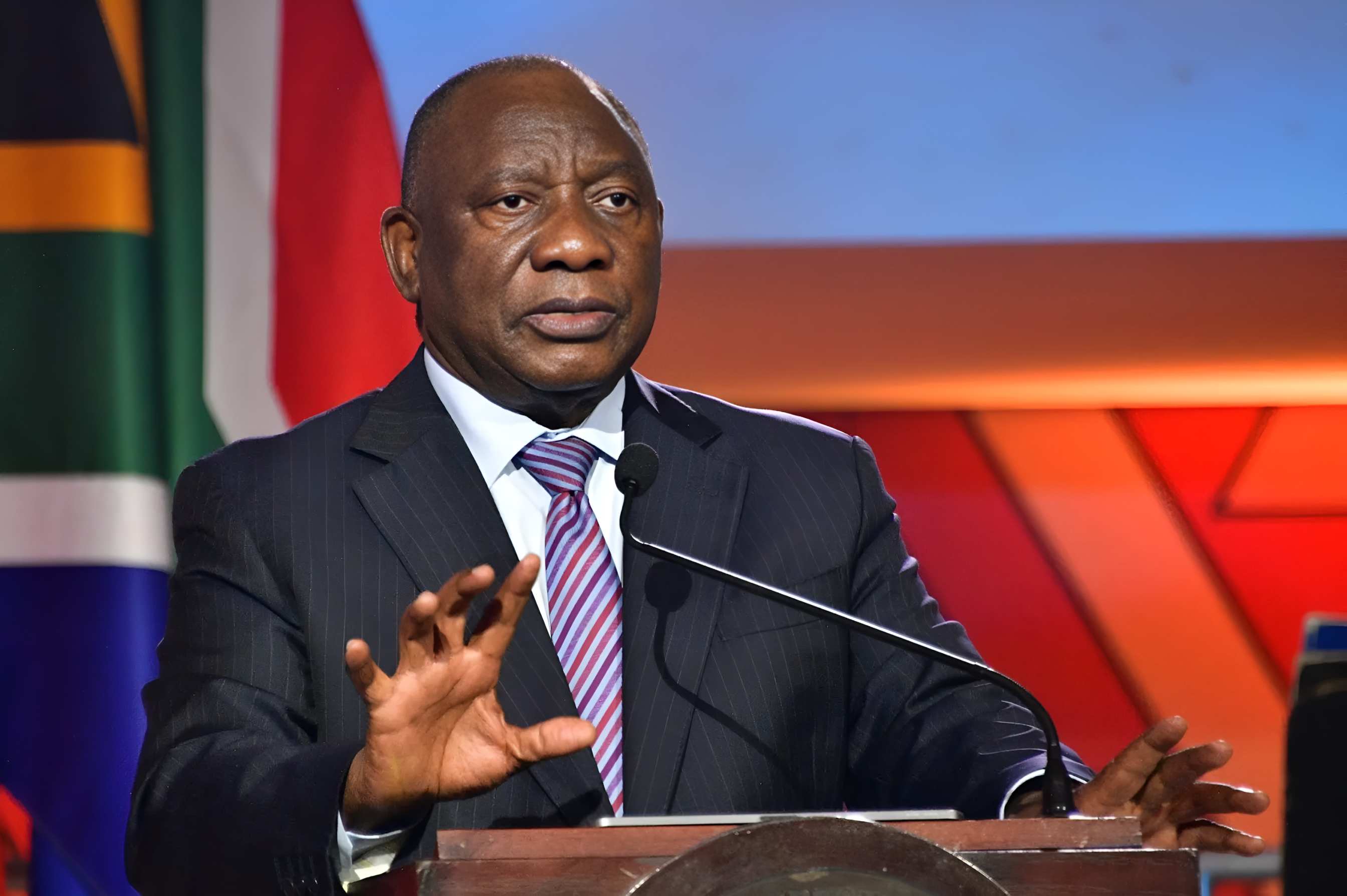
In his weekly letter to the nation, President Cyril Ramaphosa said the decision by FATF, the global body responsible for setting standards on combating money laundering and terrorism financing, is a testament to South Africa’s commitment to transparency and reform.
“Our country’s exit from the Financial Action Task Force (FATF) grey list bodes well for the integrity and reputation of our financial system, for our status as an investment destination and for the economy as a whole,” President Ramaphosa said.
South Africa was placed on the FATF grey list in 2023 for falling short of certain international standards in combating financial crimes.
Just over two years later, the country has made what FATF described as ‘significant progress’ in strengthening its anti-money laundering and counter-terrorism financing systems.
President Ramaphosa attributed the achievement to the coordinated work of a multidisciplinary team led by the National Treasury, noting that their dedication had restored global confidence in the country’s financial system.
He explained that grey listing had severe consequences, including reduced foreign investment, limited access to international credit, capital outflows, and increased costs of doing business.
“International investors seeking to do business in any country need assurance that its financial system is clean, transparent, robust and compliant with global standards,” he said.
Ramaphosa said South Africa’s removal from the list would ease pressure on citizens, businesses, and the government.
He projected that renewed investor confidence would strengthen the currency, lower the cost of living, and attract more foreign direct investment.
The President highlighted several reforms that contributed to the country’s progress.
These include expanding the mandate of the Financial Intelligence Centre to enhance detection of complex financial crimes, and new legislation requiring transparency on “beneficial ownership” to identify the true owners of companies.
“These changes will make it much more difficult for individuals and syndicates to funnel the proceeds of their corrupt activities through complex webs of shell companies, trusts and companies owned by friends and relatives,” he said.
Ramaphosa added that new regulatory amendments had been introduced to close loopholes around terrorism financing and to strengthen prosecution mechanisms.
He acknowledged the damage caused by the state capture era, which weakened key oversight institutions, but said the country was steadily rebuilding them.
“Exiting the grey list demonstrates that our anti-money laundering system is beginning to act against corruption and other financial crimes. It is a signal of our collective determination to ensure that the malfeasance of the past is well behind us,” he said.
Ramaphosa concluded by urging continued vigilance, promising that South Africa would sustain enforcement efforts and deepen international cooperation to prevent a recurrence of financial crimes.